/// Train
Your team already knows how to code. We teach them how to keep a codebase healthy.
Testing, static analysis, refactoring, architecture. Taught on-site or online by someone who does this on production systems every day.
Most teams have the talent. What's missing is training, and that's fixable.
Most developers are self-taught when it comes to practices like testing, static analysis and refactoring. They pick it up from blog posts, conference talks, and whatever the last team happened to do. Some of it is good. Some of it has gaps.
The result: tests exist but don't catch the right things, static analysis is installed but nobody trusts the output, refactoring happens ad hoc, and architecture conversations go in circles because there's no shared vocabulary.
/// What we teach
Every workshop is built around four themes. The content is tailored to your team, your codebase, and where you are right now.
Testing
How to build a test suite that actually protects you. Unit, integration, and system tests: what each level catches, how to architect code so it's testable, and how to keep tests from becoming a second maintenance burden.
Static analysis
Tools like PHPStan and Psalm can catch entire categories of bugs before production. We show your team how to get the most from them, how to introduce them to legacy projects without drowning in warnings, and how to write custom rules that enforce your standards automatically.
Refactoring
Every team has code they're afraid to touch. We teach structured approaches, from small daily techniques to safely upgrading legacy codebases, including automated tools like Rector for changes that would take weeks by hand.
Architecture
Decoupled code is easier to understand, test, and extend. Practical architecture patterns, dependency injection, event-driven design, and decisions your team can maintain long after the workshop ends.
/// How it works
We find out where you are
We talk to your team leads and look at your codebase to see what your developers know, where the gaps are, and what problems they hit.
We build around your reality
The themes stay the same but the content is tailored. We use your code where possible, because familiar exercises land better than abstract examples.
We deliver on-site or online
At your office anywhere in the UK, or live online, working through real problems with your team. A focused day, a two-day deep dive, or shorter sessions across weeks.
You leave with something usable
Practical things your developers can apply straight away.
/// Who teaches this
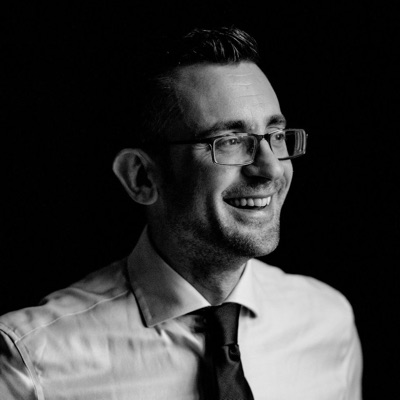
Dave Liddament
24+ years writing software commercially. Speaker at SymfonyCon, International PHP Conference, PHP UK, phpday, ConFoo.
Dave is the author of SARB (Static Analysis Results Baseliner), an open source tool for introducing static analysis to existing projects without being overwhelmed by historical warnings, and the PHP Language Extensions library. He organises PHP-SW, Bristol's PHP meetup, and runs Bristol PHP Training, a free monthly workshop.
This matters because the person training your team isn't a professional trainer who learned the material from a manual. He's an engineer who does this work, builds tools for it, contributes to the community around it, and has refined how to teach it through years of conference talks and hands-on workshops.
/// What we expect from you
Good fit
- Working developers who need sharper practices
- You want training grounded in production experience
- You're willing to set aside real time to learn
- You want measurable improvement in quality and confidence
Not for you
- You need a certificate for compliance purposes
- You want training for hundreds of people at once
- You're looking for introductory programming courses
- You expect a slide deck and a multiple-choice quiz
/// Questions
What do you teach?
Four themes: testing, static analysis (PHPStan and Psalm), refactoring (including Rector) and architecture. The content is tailored to your team and your codebase.
Is it only for PHP teams?
The examples and tools are PHP, and the principles carry over to any language.
Is training on-site or online?
Either. We run workshops on-site at your office anywhere in the UK, or live online.
How long is a workshop?
A focused day, a two-day deep dive, or shorter sessions spread over several weeks.
Who runs the training?
Dave Liddament. He has 24+ years of commercial experience, speaks at international conferences including SymfonyCon, the International PHP Conference and PHP UK, and wrote the open source tools SARB and PHP Language Extensions.
Can you use our own code in the exercises?
Yes, where possible. Exercises on familiar code land better than abstract examples.
Do you offer certificates?
No. This is practical training for working developers, not compliance training.
Start a conversation
Tell us what your team is working on and where the gaps are. We'll talk through whether training is the right next step.